
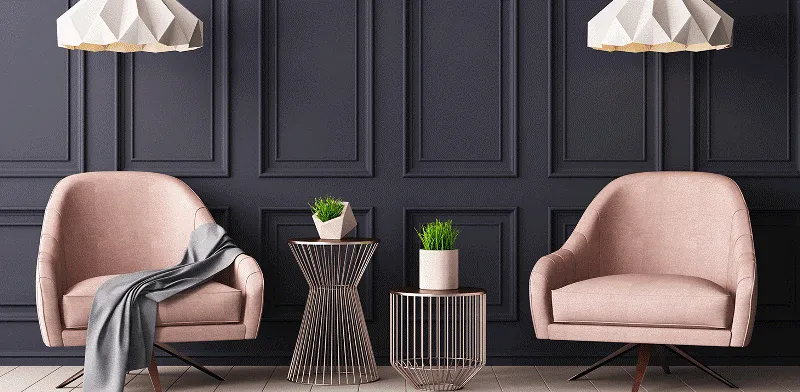
When creating an interior design, the main task is to turn various details into one large, harmonious space where everything blends together perfectly. One of the best tools to achieve this unity is color. You can choose three or four base colors and distribute them throughout different corners of the house. However, along with colors, three main design principles are of decisive importance for the correct perception of space: balance, focal points, and contrast.
When planning an apartment in modern residential complexes of Tbilisi, keeping these rules in mind will help you create an aesthetic and practical environment.
1)Poise and Balance in Space Balance
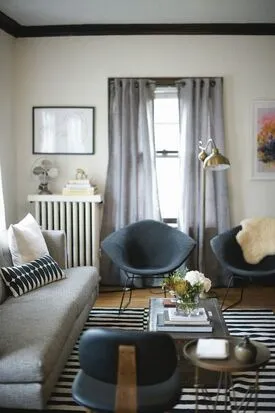
provides a sense of peace and stability in a room. In interior design, three main styles of balance are distinguished Symmetrical Balance: Mostly found in traditional and classic interiors. It is characterized by repeating the exact same object (or items with a similar visual appeal) on two different sides of a room, which creates absolute symmetry. Asymmetrical Balance: This approach is much more modern, dynamic, and free. It is relatively more difficult to achieve because it requires balancing objects of different weights, shapes, and sizes in a way that does not overcrowd the space or look unnatural. Radial Symmetry: In this case, all design elements are arranged around a central point. A perfect example of this is a spiral staircase or a round dining table with a chandelier hanging above it. Radial symmetry is rarely used in interiors, but its correct integration plays a breakthrough and interesting role in a space.
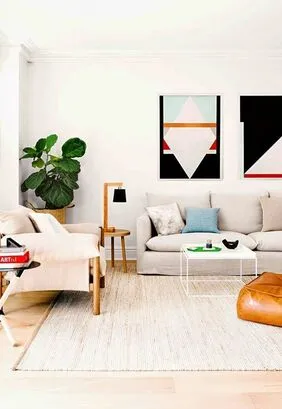
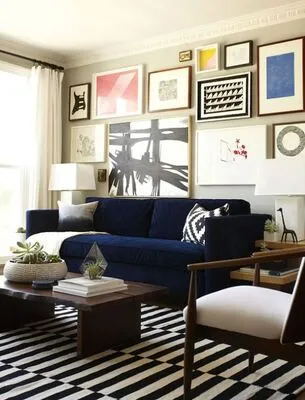
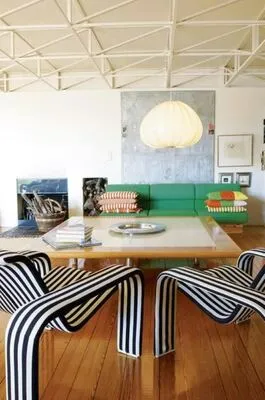
2. Focal Point – The Heart of the Room
The biggest enemy of interior design is boredom. A well-designed room always has one or more focal points. This is a detail that grabs attention from the very first second and is dominant in the space.
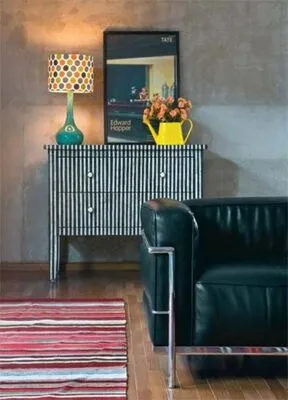
A focal point should leave a lasting impression, but at the same time, it must be an organic part of the decoration, connected to the overall style, color, and scale. Most people think this is strictly a fireplace or a large TV placed in the center of the room. In reality, if you do not have a natural focal point, you can create one yourself — for example, with a uniquely colored armchair, a massive painting, or a wall with a distinct texture.
3)Contrast to Enliven the Space
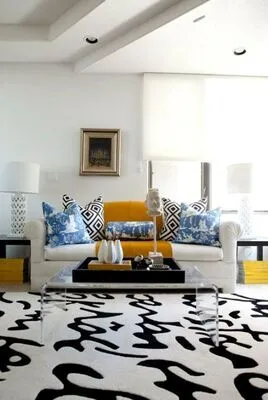
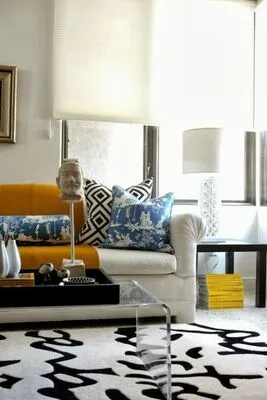
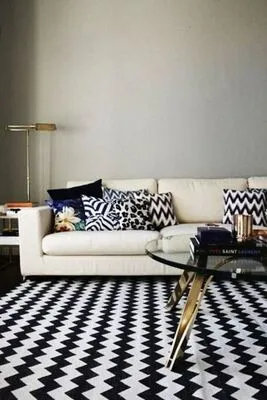
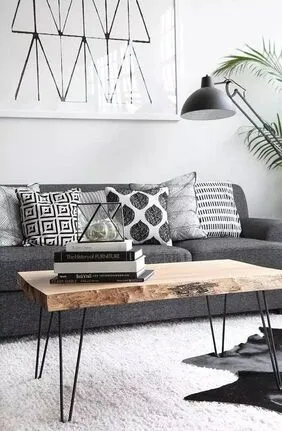
Achieving contrast is quite simple by pitting two opposing elements against each other. Placing black and white pillows on a light-colored sofa, or combining circles with strict geometric shapes (rectangles) is the best way to liven up and refresh a space.
Creating contrast is not limited just to living room decor. For example, in modern bathroom design, using black plumbing fixtures against a backdrop of light-colored walls or tiles is an excellent example of sophisticated contrast. Moreover, along with the visual effect, choosing reliable, standard mechanical models that prove their durability and practicality through experience is always justified.
The main thing to remember: you must be careful when working with contrast so that you do not overshadow the harmony and balance achieved with other elements of the room with excessive details.
Plan Your Renovation with Ease
Creating the perfect interior requires not only knowledge of design principles but also financial transparency in the process. Before you start bringing your ideas to life, it is important to know exactly how much achieving the desired result will cost you.
Determine your budget in advance and plan renovation works easily with the help of our platform: use the Greencolor.ge renovation calculator and get precise financial calculations for your perfect home!