
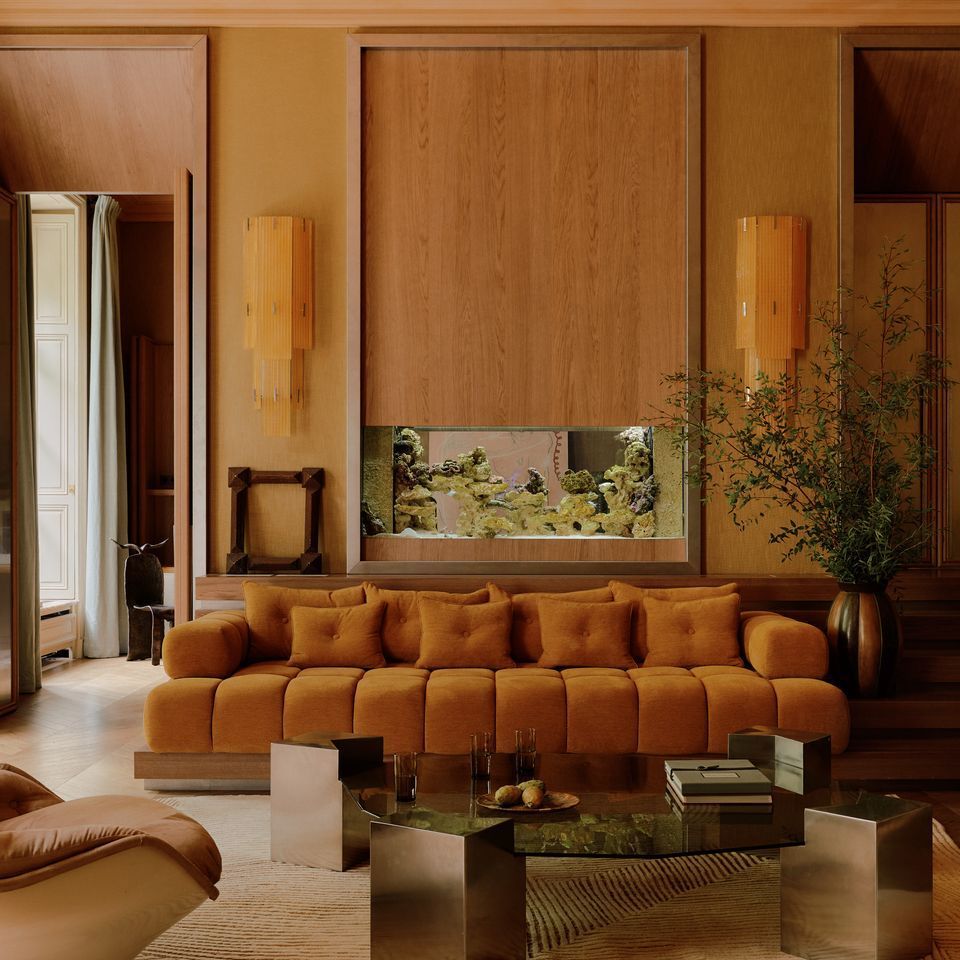
The 4 Golden Rules of Interior Design: How to Create a Harmonious Environment
When creating an interior design, the main objective is to transform a space into a harmonious environment where everything—colors, shapes, furniture, and details—complements one another to achieve a unified look. In design, nothing is accidental; every single element has its own purpose and visual impact.
Below, we explore the core principles that will guide you in styling your home with taste and sophistication.
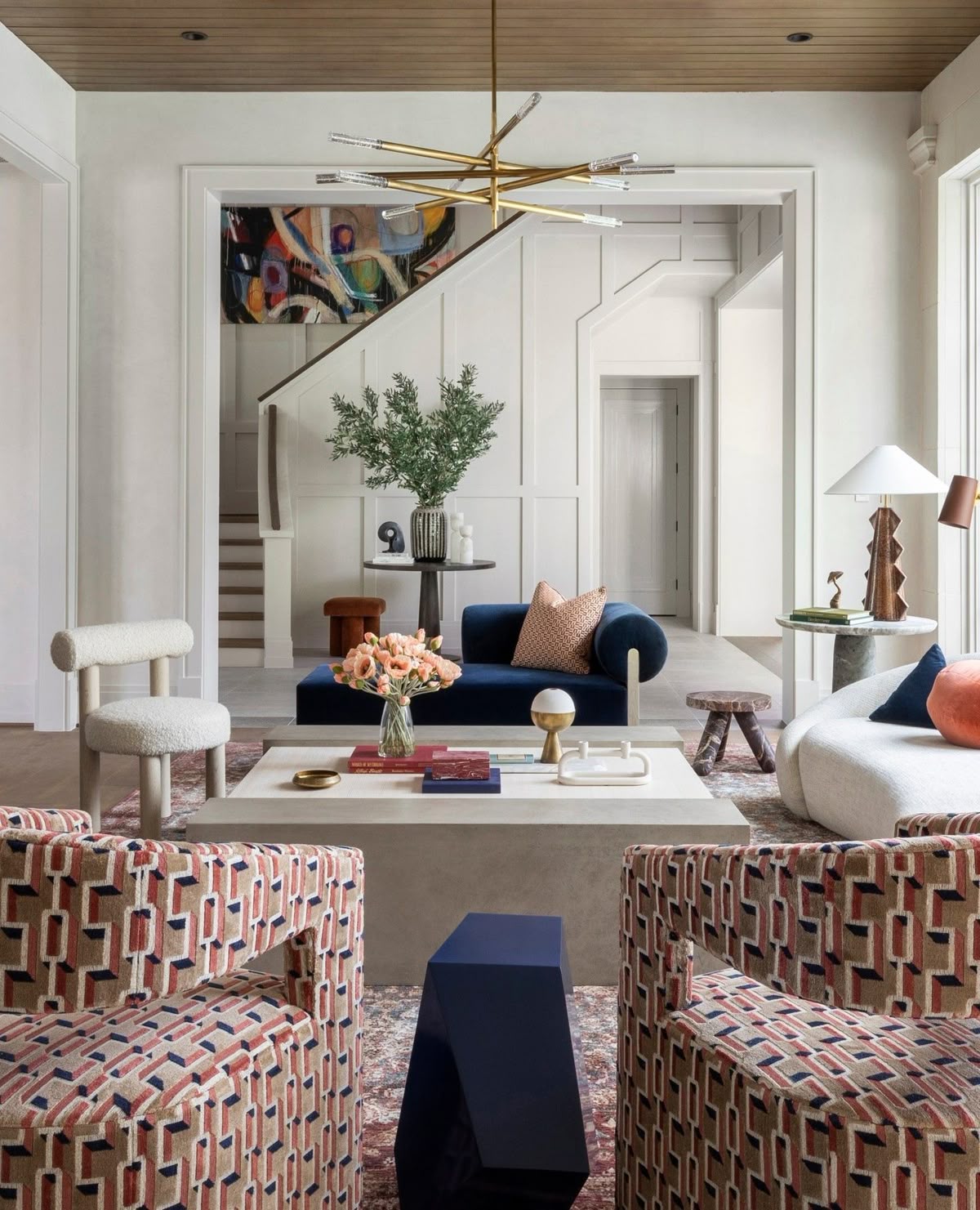
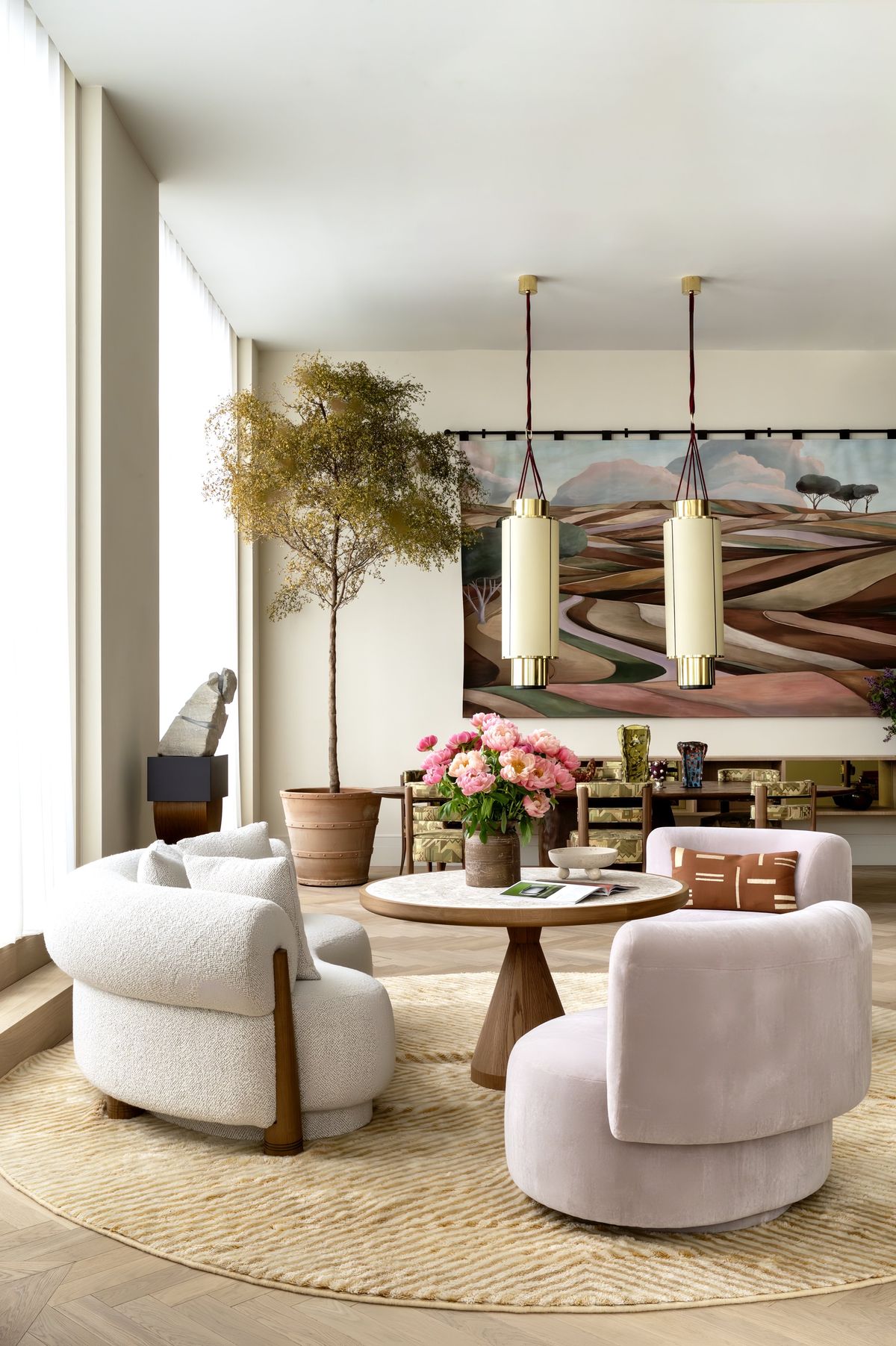
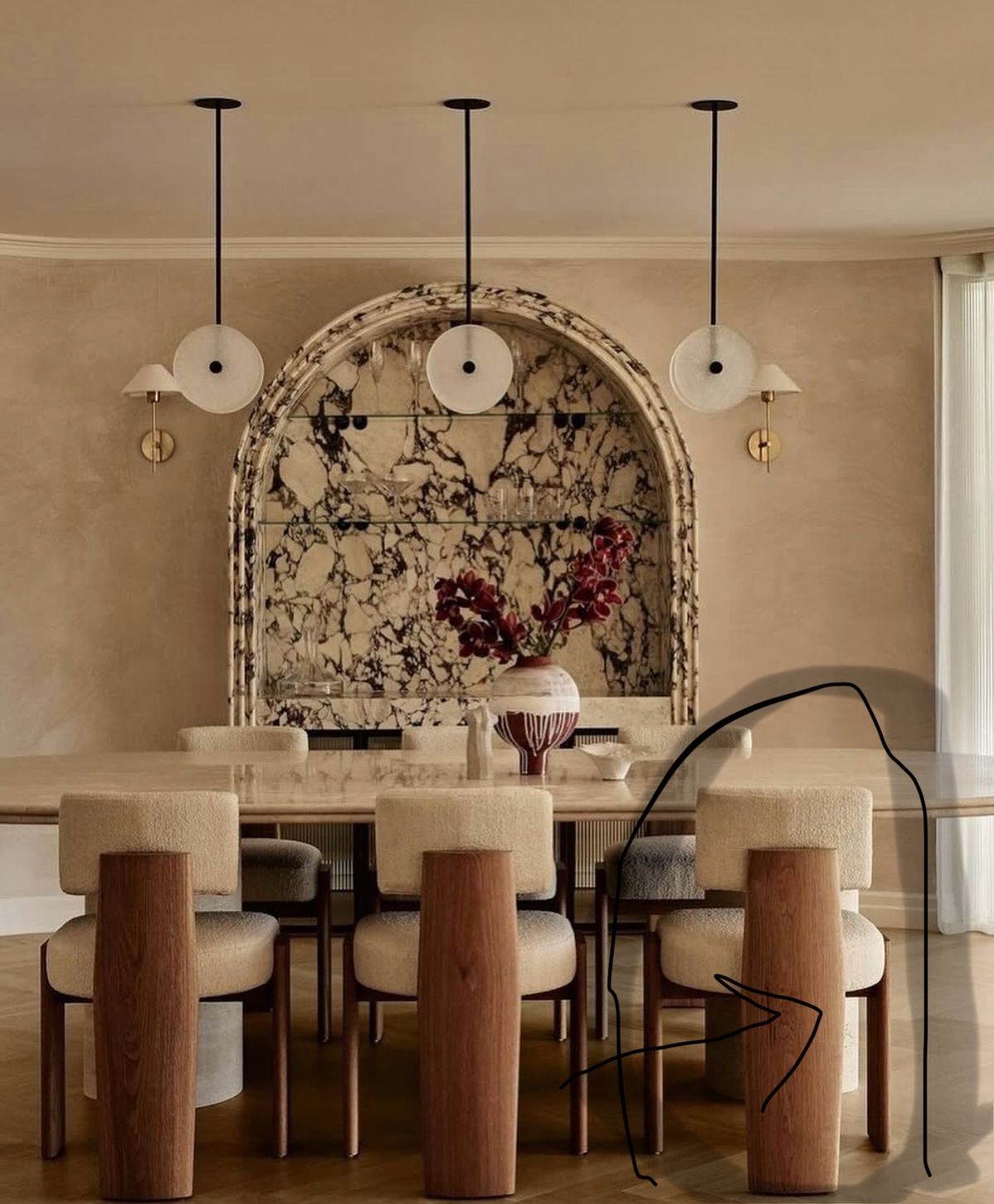
Balance and Zoning: Symmetrical and Asymmetrical Layout
The distribution of furniture and decor plays a decisive role in interior design. There are three main styles of visual balance:
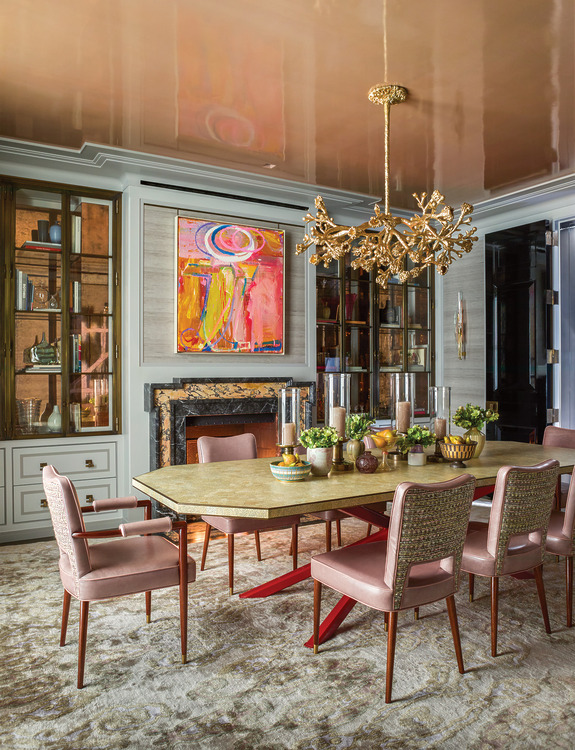
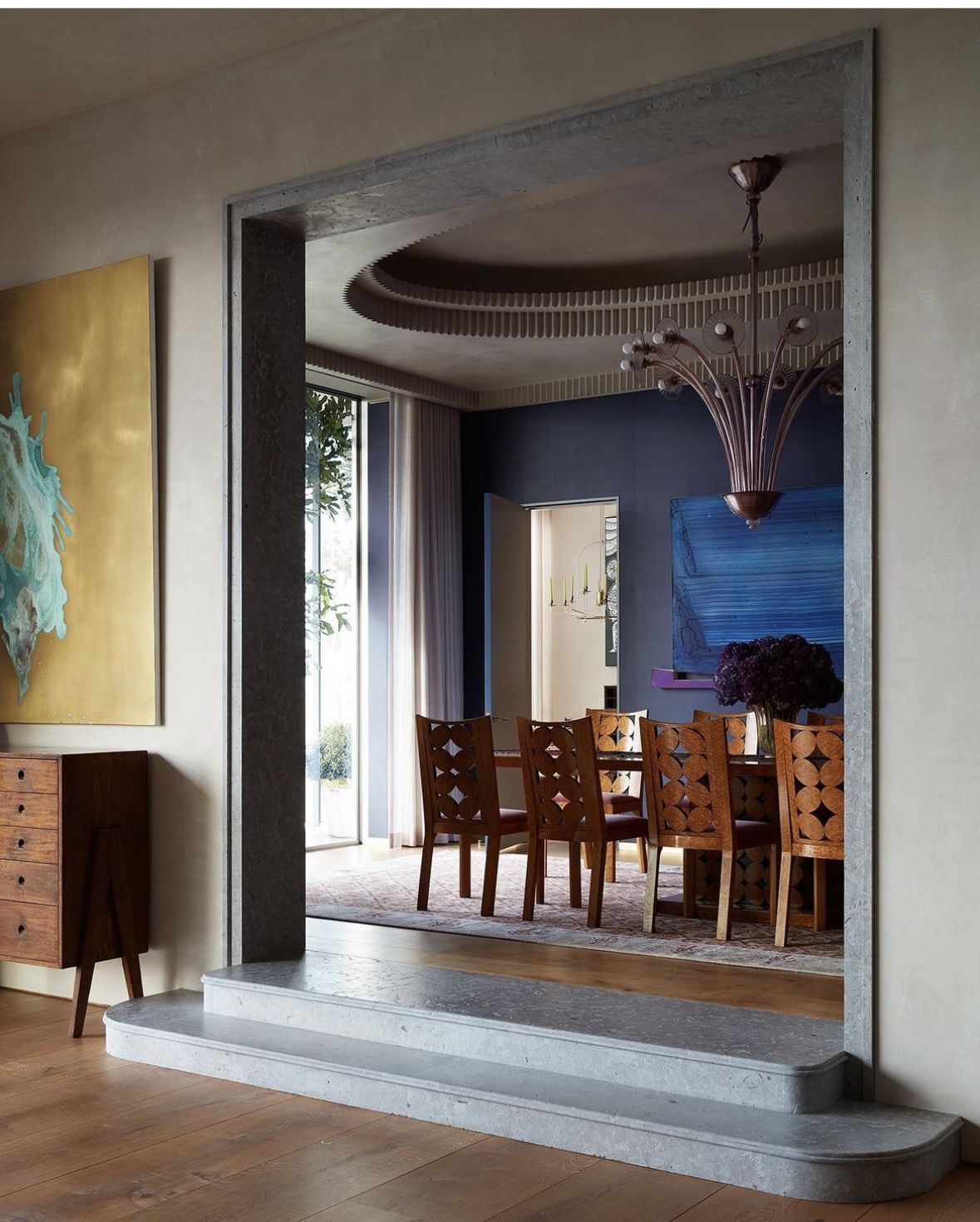
Radial Balance: A less common approach where all elements radiate outward from a central focal point. Examples include a spiral staircase or a circular chandelier layout. When implemented correctly, radial balance adds an unforgettable, dramatic effect to the room.
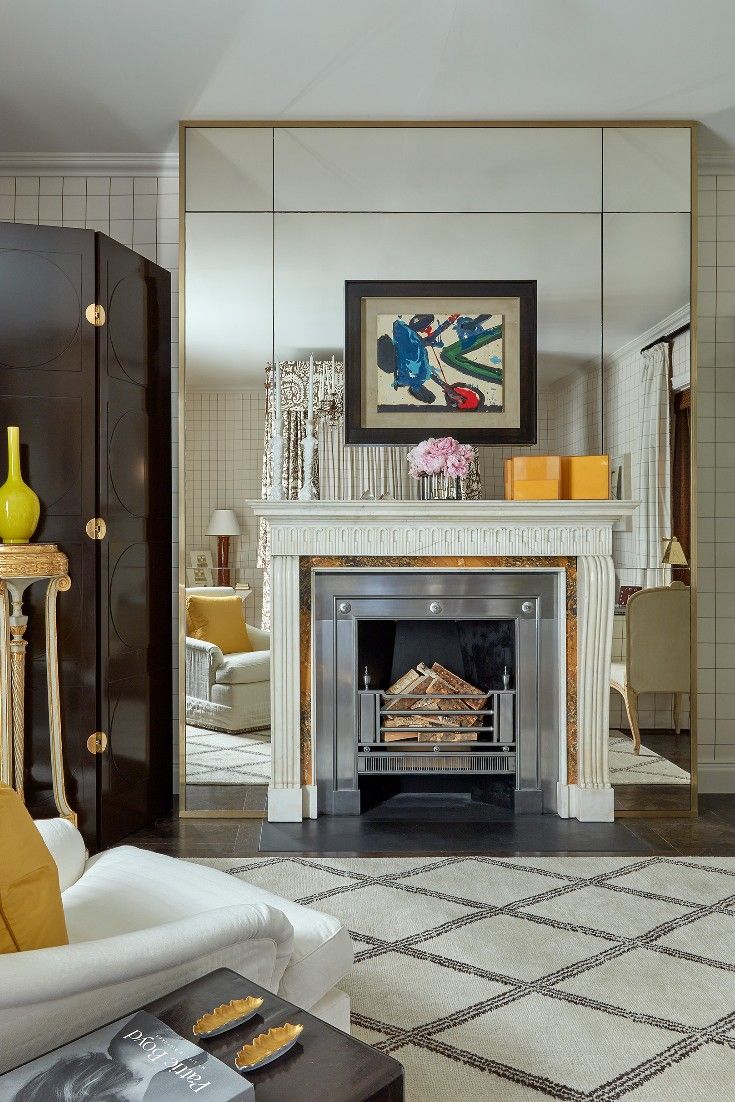
Symmetrical Balance: Most commonly found in traditional interiors, this occurs when two sides of a space mirror each other exactly (for example, two identical sofas placed on either side of a fireplace). Symmetry establishes stability and a sense of order.
Asymmetrical Balance: A staple of modern interiors, where the design elements differ from one another yet still maintain visual equilibrium. Asymmetry lends a more casual, vibrant, and dynamic character to the space. However, it is more complex to execute and requires a refined artistic vision.
Creating a Focal Point: How to Liven Up a Boring Room
OneCreating a Focal Point: How to Liven Up a Boring Room
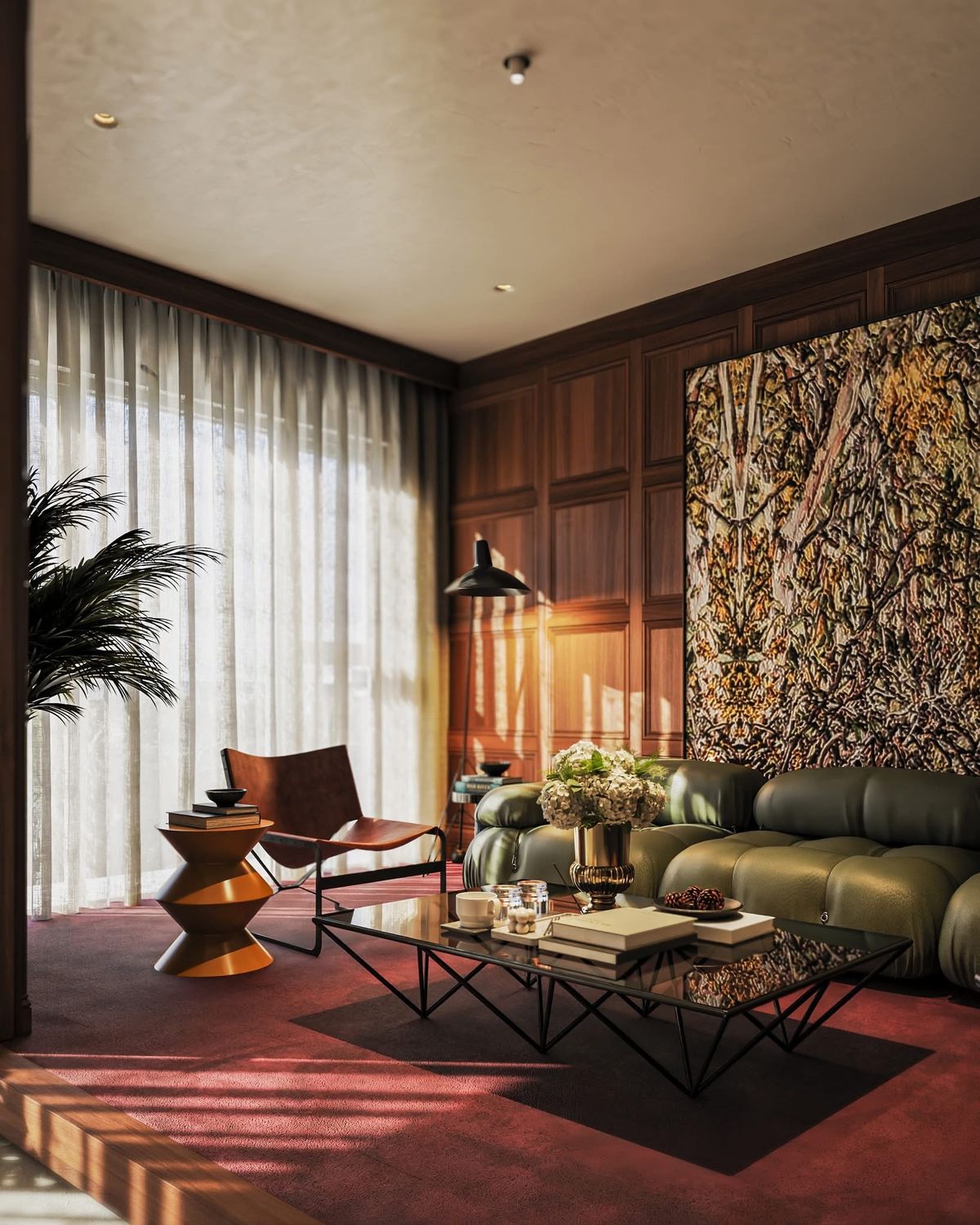
One of the main challenges in interior design is avoiding monotony. This is exactly why every well-planned space needs a “focal point”—an element that instantly captures attention the moment you walk into the room.
A focal point can be:
- A fireplace
- A large, impactful painting on the wall
- A bold, colorful sofa
- Accent lighting
If a natural focal point does not exist in the space, you can easily create one yourself.
Contrast in Interiors: The Play of Textures and Colors
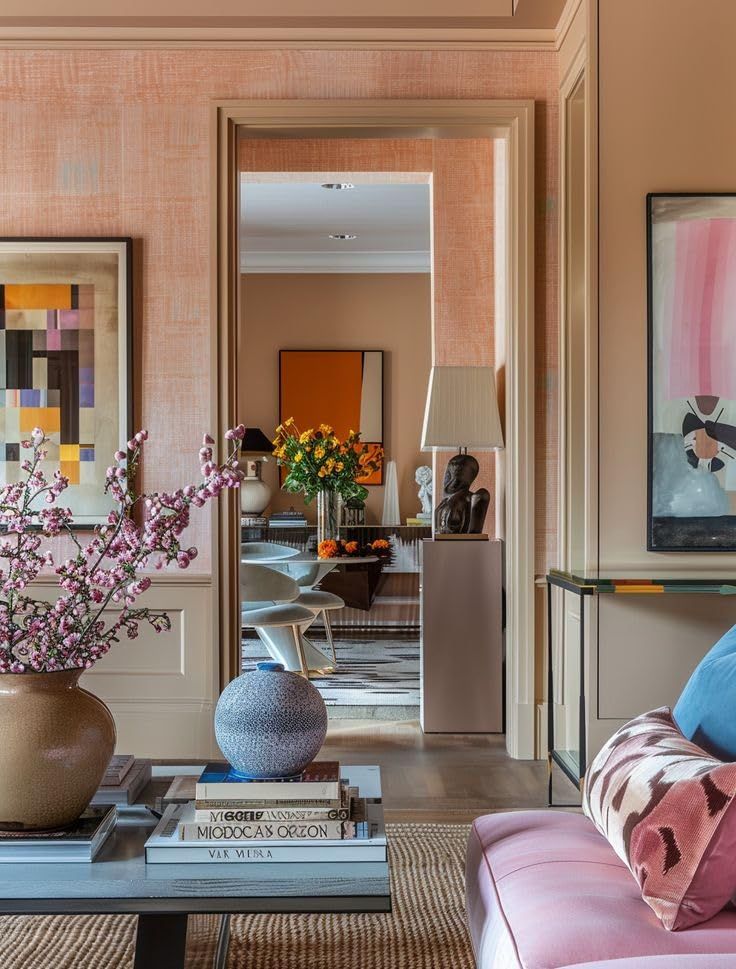
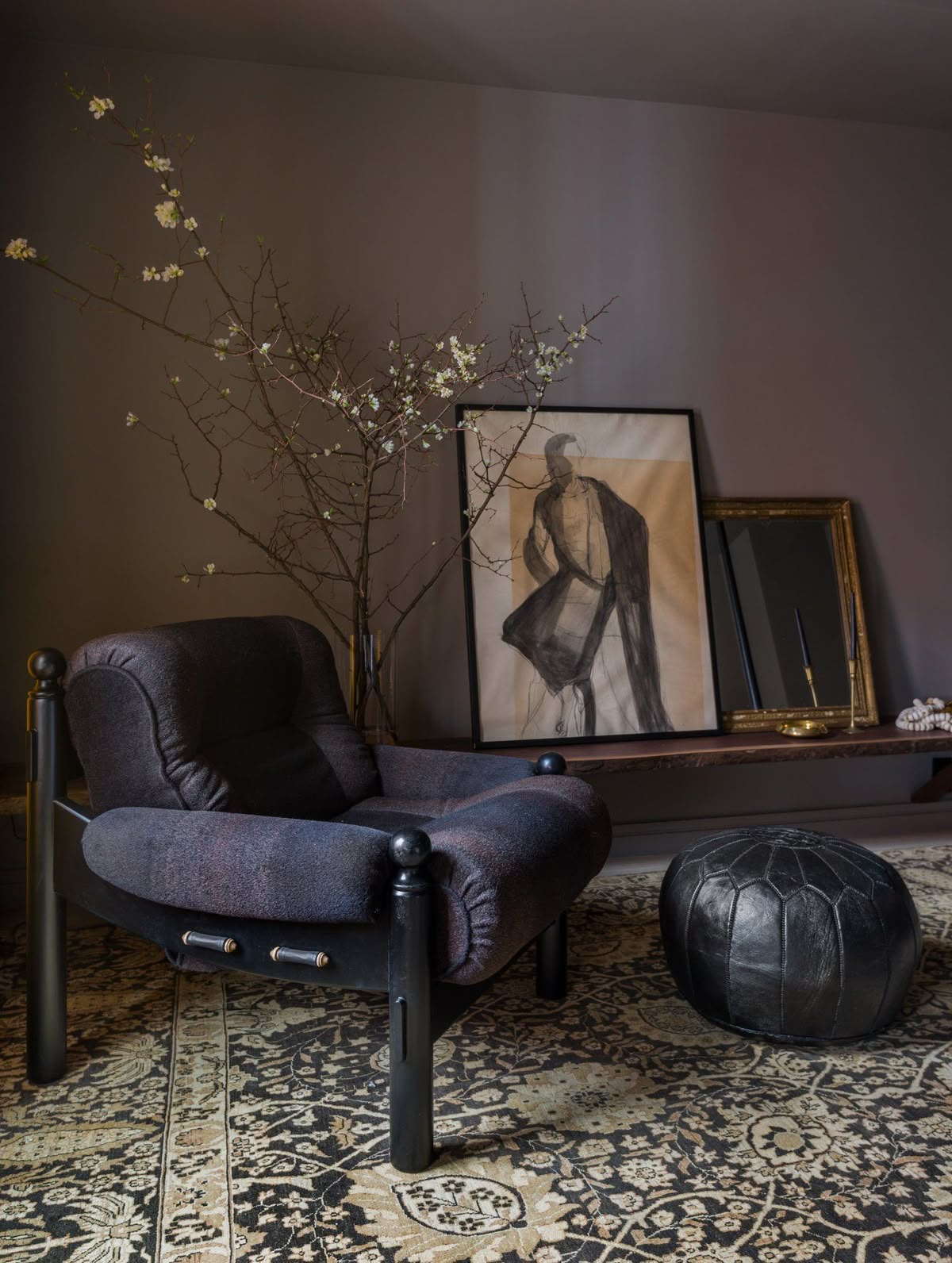
Contrast is a highly effective design technique that gives a space its distinct character. It is achieved by combining opposing elements, such as:
- Pairing black and white colors
- Combining geometric shapes (circles and rectangles)
- Blending the natural texture of wood with glass or metal elements
Contrast livens up a space and makes it more dynamic; however, moderation is key to avoid disrupting the overall harmony.
If you are planning a renovation, do not forget to use the Green Color renovation calculator.