

Interior Design – 3D Renders
Shaping space through the harmony of emotion and function, interior design is more than just beauty. It is a functional art that creates the environments where we live, work, relax, and most importantly, where we feel comfortable. A well-designed interior can transform not only a physical space but also our mood, productivity, and overall quality of life.
1. Interior Design: Aesthetics and Functionality
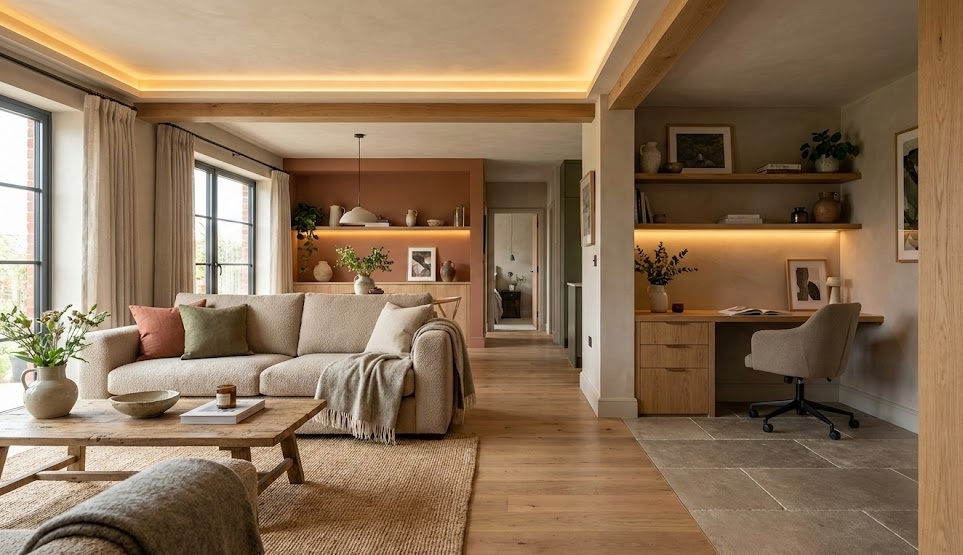
Simply put, design helps us utilize space more effectively. Well-planned lighting, zoning, colors, and textures create a harmony that invisibly influences our daily lives. Design is not just about aesthetics; it is about functionality, comfort, and emotional balance.
or.ge/
2. How to Find Your Personal Style in an Interior
You might be drawn to the sleek look of minimalism, a Scandinavian interior filled with natural elements, classical elegance, or bohemian freedom.
- Minimalism: Cleanliness, tranquility, and order.
- Scandinavian: Natural light, wood, white, and neutral tones.
- Industrial: Exposed brick, iron, concrete, and factory-inspired elements.
- Classical: Symmetry, ornaments, and rich textures.
- Bohemian: Bold colors, handcrafted elements, plants, and free-form shapes.
The most important factor is individualism—your home is a mirror of yourself. Do not restrict yourself to rigid frameworks; choose the environment where you find true peace of mind.
3. Color Psychology: How to Create the Desired Mood in an Interior
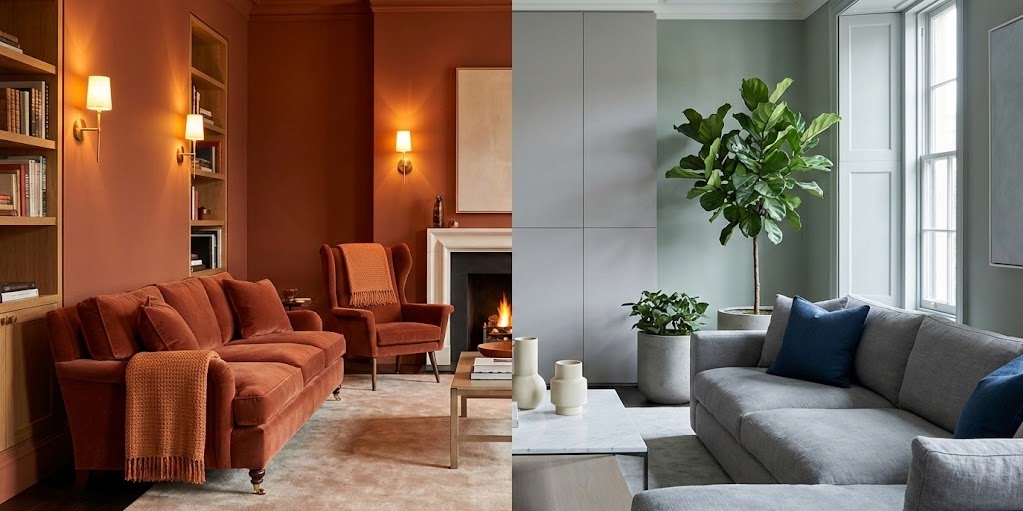
Warm tones enhance coziness, while cool tones promote tranquility. Sometimes, choosing a single color can completely transform a room’s atmosphere.
Red and Orange: Energy, warmth, and motion.
White and Beige: Light, freshness, and cleanliness.
Grey: Elegance and balance.
Green: Connection to nature and relaxation.
Blue: Peace, serenity, and depth.
ოგია greencolor.ge/
4. Lighting in Interior Design
Maximizing natural light is always ideal, but artificial lighting can easily become the centerpiece of your design strategy.
- Ambient Lighting: Ceiling lights for overall illumination.
- Accent Lighting: Focused light to highlight specific architectural features or design details.
- Task Lighting: Targeted illumination for desks, kitchen countertops, or reading nooks.
5. The Power of Textures in an Interior: Design You Can Feel
Design is not just about sight; it is about touch, comfort, and sensory experience. Wood introduces warmth, concrete delivers structural firmness, and glass adds a sense of lightness. Combining different textures brings emotional depth and variety to a space.
6. A House That Tells a Story: The Power of Personalization in Design
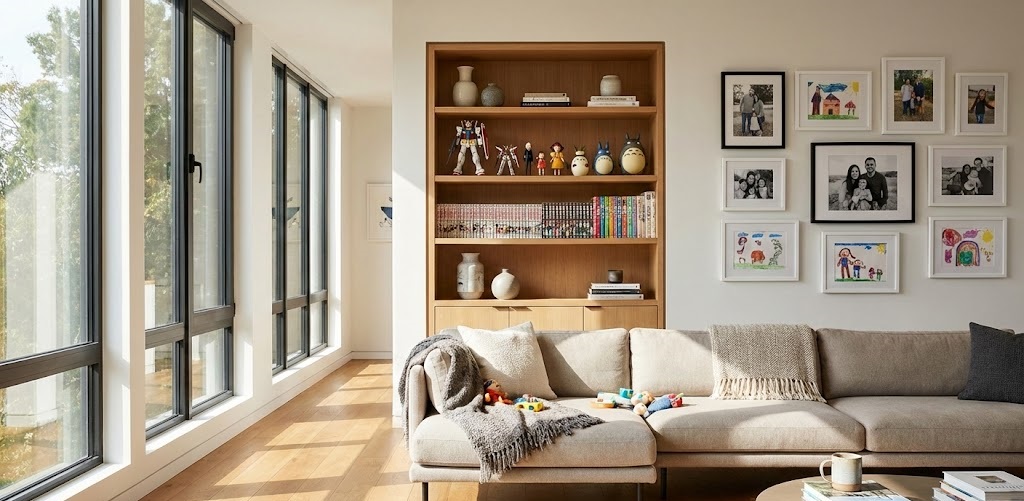
The best design is born when a space does not merely replicate another layout, but instead adapts directly to the specific home and the owner’s character. Family photographs, travel souvenirs, and shelves filled with favorite books all come together to create a naturally authentic interior.
ყვება. greencolor.ge/
7. From Ideas to Reality: How Much Does Your Dream Design Cost?
Interior design is an incredible journey, but every journey needs a map—and in this case, a precise budget. Too often, beautiful design ideas remain just ideas due to financial uncertainty.
To know exactly what resources are required to build your personalized, cozy, and functional environment, do not rely on guesswork 👉 calculate your renovation costs with accuracy before taking the first step.